
As I’ve taught a course called Birds, Ecosystems, and People at Allegheny College over the past several years, one of the units that seems to truly impress and fascinate course participants is the section on avian migration. The process of migration has evolved over centuries and is literally written in the DNA of the avian migrants that move between habitats each year – from those more suitable for raising and feeding young to others that sustain nutritional needs during the leaner, cooler months of the year. A host of internal and external processes drive migration preparation and timing. Hormonal changes, triggered by shifting angles of the sun and periods of daylight, kickstart physiological systems that prepare the body for the long journey, while even subtle changes in wind patterns, cloud cover, and temperature can ultimately determine when a bird heads either north or south, depending on the time of year.
That species ranging from bulky geese to the tiny hummingbird travel unfathomable distances on the self-propelled wing is inspiring. For example, the Ruby-throated hummingbird (archilochus colubris), quite common along the eastern U.S. during the warmer months of the year, weighs less than an ounce yet flies across the entire Gulf of Mexico (over 500 miles) in one single trip! I’ve written in this blog about how much I admire and appreciate the gumption it takes for such vulnerable little creatures to venture forth twice a year on a risky and uncertain journey. The phenomenon is beyond my full understanding.
What is even more amazing is that each individual bird knows just when to go. Once up and on the wing, they commit to the journey with fervent determination – not waiting for instruction or some sign of divine intervention, never utilizing GPS devices, not even filing a flight plan with the FAA. Twice a year, these little masses of feather and hollow bone sense an internal change in direction, make adequate preparation, look for clues and opportunities in the weather, and then, they fly.
Along the way they seek what are called migration “stopover” sites – essential places of critical habitat that each species learns to count on for sustenance and rest as they navigate their annual migratory journey. In my neck of the woods, Presque Isle State Park serves as one such place, providing an opportunity for all those many weary avian travelers who have just completed the difficult trek across Lake Erie to refuel on tasty insects, seeds, fish, and invertebrates. Stopover sites are the lifelines that keep the entire migratory system in order. Migratory birds would not survive without them.
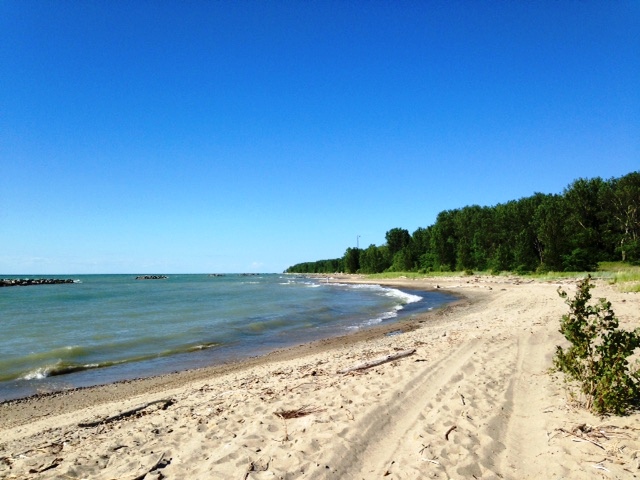
Here at the beginning of January, the birds that migrate through this area won’t really start funneling towards Presque Isle until April, at the earliest. And yet, I’ve got these critical sites of nourishment on my mind as I find myself looking, once again, to the avian world for insight. You see, I too am preparing for a migration of sorts – one of my own. After nearly six years in northwestern Pennsylvania, I am embarking on a journey southward in the next few days. I don’t know what emotions a bird experiences when it readies itself to fly south, but when it comes to my own migration, I have been surrounded by a flood of them as my journey nears. Although living in Meadville, PA hasn’t been without challenge, I have found much goodness here. And I will miss that.
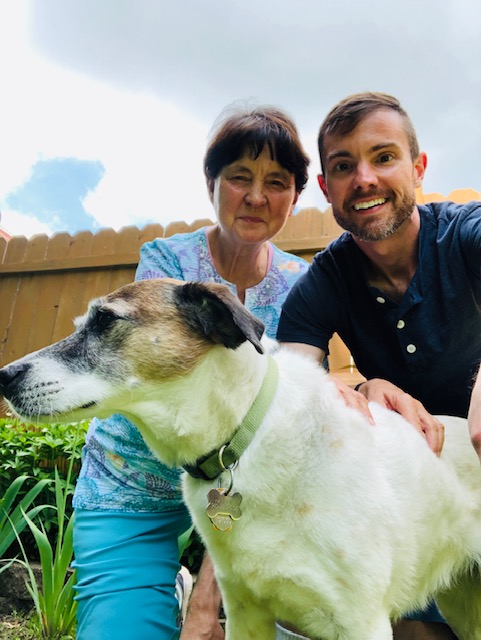
As one of the migratory stopover sites in my life’s journey, Meadville has included a host of warm and welcoming characters that have been my trusted colleagues since day one. Further still, my position at Allegheny College has afforded me the privilege of working alongside numerous lively and inspiring students – pushing me to grow as an educator, as a conservationist, and as a human. I’ve discovered pockets of “my people” even in this rural Pennsylvania community – people that have dried my tears of sorrow when needed, laughed with frivolity just because, and given me hope – reminding me that, despite where we come from or what we believe, at our core, we are much more similar than we are different. And even though I’ve sometimes experienced the hostile winter gauntlet of this place with disdain, I’ve also discovered that the Great Lakes region has verdant landscapes full of natural wonder. I’ve made many precious memories with my pup Harmony exploring the quiet and unpretentious beauty here.

Of course, there have also been the birds – from the Snowy Owls (bubo scandiacus) at Presque Isle and Bald Eagles (haliaeetus leucocephalus) at Woodcock Lake to the tiny Winter Wrens (troglodytes hiemalis), soulful Barred Owls (strix varia), and spazzy Pileated Woodpeckers (dryocopus pileatus) that have frequented my backyard and neighborhood. It is impossible to recount with accuracy the many encounters I’ve had with birds in this place – encounters that have created real joy. Indeed, as a whole, this stopover site has been a nurturing one. I know that because I leave it a much stronger (perhaps even a bit wiser?) person than when I first arrived in 2014. The chapter of my life that was written here has afforded opportunities for personal and professional growth, clarification of who I am and what I believe, and the development and maturing of important relationships, many of which I’m certain will continue even after I’m gone. In short, this place has been the perfect training ground for me to test and build confidence in my unique set of wings. My life and my flight path have expanded because of what has transpired here. I feel rich gratitude for that.
Despite how prepared I may be for a new season much farther south, I would be dishonest if I didn’t admit that I’m also a bit anxious about the journey and where I’ll land on the other end of it. I’ll soon assume a new professional identity at Furman University, one that I am quite excited about, although any new beginning comes with uncertainty and risk. I have no guarantees that I’ll succeed in this post-migration landscape. I know very few people there, I don’t have a community of belonging already established, and I don’t yet know whether or how to effectively navigate the new physical and social space. Much like a bird just setting off on migration, there are very few certainties in the weeks and months ahead for me. In the face of such ambiguity, however, my avian friends trust their instincts when it is time to fly, even in the face of an indeterminate headwind.
My instinct tells me it is time for me to fly as well, albeit with an unmarked trail in front of me. And yet, every new beginning is predicated on an ending – and it is that ending that I’ve felt at my core as of late. Frankly, there are many people, places, and experiences from this chapter in my story that I don’t want to leave. If I could pick them up and take them with me, I would. I wonder if birds feel this way too, at the end of a productive and abundant season or when it comes time to say goodbye to a prized stopover site? Do they feel loss? How do they find the courage to push forward? To say goodbye?
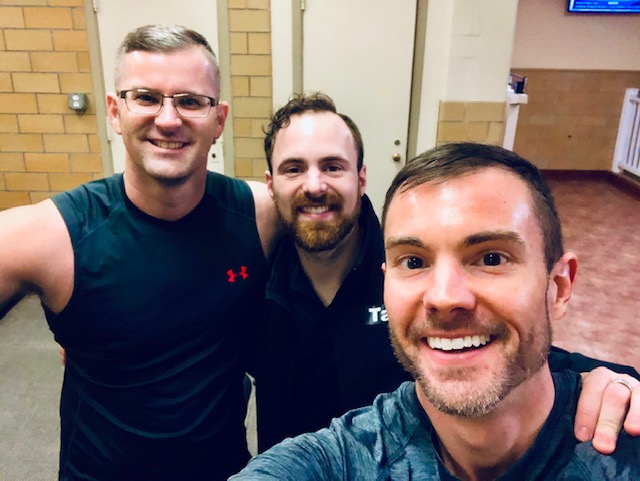
Research tells us that, in reality, birds never really leave behind the places they visit throughout their lives. Instead, they literally carry forth markers of every place that has supported their journey in their minds and in their bodies. When banding birds in the early spring or late fall, I’ve learned that it isn’t unusual to see visible markers of past places upon close examination of the visitors I encounter. Fault bars (visible lines of muted color) on tail feathers, for example, are a strong indicator of a period of nutritional deficit experienced in a former habitat. The unique colors some birds boast in their plumage show traces of the food sources (and the pigments they contain) consumed many miles away. Deeper still, the unique behaviors these birds demonstrate during our brief interactions – their songs, movements, and use of space – are certainly tied to past experiences with other creatures and other landscapes from lives past. These birds are a living, breathing representation of every place and every encounter that has come before.
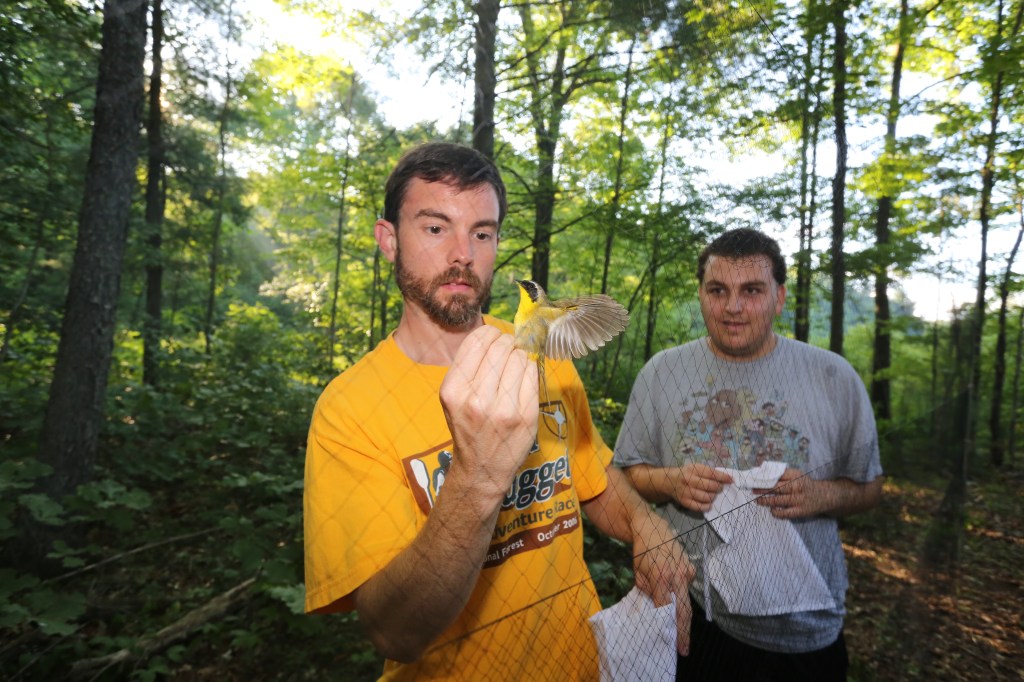
I suppose that is true for me as well – and I find comfort in that fact. In truth, I’m not really leaving this place behind either. Sure, my relationship with it will change, as will the nature of the interactions I have with those within it. I’m not kidding myself that things won’t be different, that I won’t feel sadness or feel loss. But, at my core, like the birds that pass through here each spring and fall, I am now fundamentally (even elementally) linked to the tapestry of this place. It has changed me. It has shaped me. It continues to live within me – a stopover site now written on my heart.
 Wisdom on Wings